
E2: Rebooting economy, understanding corporate debt, avoiding a depression & more with David Sacks
TL;DR
- Panel discussion featuring Jason Calacanis, Chamath Palihapitiya, and David Sacks examining the US government's COVID-19 response and economic policy
- David Sacks proposes a detailed economic reboot plan to prevent recession or depression following pandemic lockdowns
- Discussion of whether stimulus packages, small business loans, and corporate aid have been sufficient or if a trickle-down approach is failing average Americans
- Analysis of US health apparatus failures including mask mandate delays and tensions between scientific experts and entrepreneurial decision-makers
- Examination of corporate debt structures and whether struggling companies should be allowed to declare bankruptcy versus receiving government bailouts
- Political assessment of Trump versus Biden heading into the 2020 election and discussion of major philanthropic moves like Jack Dorsey's $1B COVID relief donation
Episode Recap
In this panel discussion episode, Jason Calacanis, Chamath Palihapitiya, and David Sacks convene during the early days of the COVID-19 pandemic to discuss the crisis's economic implications and government response. The conversation begins with personal updates on their quarantines before moving into substantive analysis of how the pandemic has shaped their worldviews. David Sacks presents himself as cautiously optimistic while acknowledging the severity of the situation, contrasting with varying perspectives from the other panelists. The discussion turns critical regarding the US health apparatus, with Sacks questioning why masks were not mandated earlier and examining broader failures in government coordination. A particularly pointed segment explores the cultural clash between scientific experts and entrepreneurial thinkers, including debate around chloroquine as a potential treatment method and the politicization of medical decision-making. The panelists assess government accountability and whether President Trump's administration handled the crisis appropriately. Sacks then unveils his plan to reboot the economy, emphasizing the need for balance between public health and economic activity. This economic blueprint becomes the focal point for much of the remaining discussion. Chamath and Jason evaluate Sacks's proposal, raising questions about whether current stimulus packages and small business loans have been adequate. The conversation becomes increasingly detailed when examining whether corporate debt holders are receiving disproportionate support compared to average Americans. Sacks uses Ford as a case study to explain how corporate debt structures work and why some companies might face systemic risk if allowed to fail. The panelists debate whether struggling companies should declare bankruptcy or receive government assistance, and how decision-makers should determine aid allocation. A crucial theme emerges around wealth inequality and the risk of civil unrest if quarantines continue while ordinary citizens struggle financially while corporations receive bailouts. The discussion shifts toward politics as the 2020 election approaches, with the panelists assessing whether Trump or Biden holds the advantage given the pandemic and economic uncertainty. Finally, they address Jack Dorsey's $1 billion donation to COVID relief efforts, debating whether this represents the most significant private sector response to the crisis to date. Throughout the episode, the panelists balance technical economic analysis with broader questions about fairness, government responsibility, and the future health of American democracy and institutions.
Key Moments
Notable Quotes
“The key question is not whether we can survive this crisis, but how we structure our response to prevent long-term economic damage to ordinary Americans”
“Corporate debt has created systemic vulnerabilities that policymakers must address thoughtfully rather than simply bailing out failed business models”
“There is a fundamental clash between how scientists and entrepreneurs approach risk and decision-making during crisis situations”
“We cannot allow quarantine policies to continue indefinitely if the economic consequences push millions into poverty and desperation”
“The fairness of stimulus distribution will determine whether the American public maintains trust in government institutions going forward”
Related Episodes

Democrats Will SWEEP the Midterms if Trump Doesn't Do THIS

AI Is Killing Brands (And Most Companies Have No Idea)
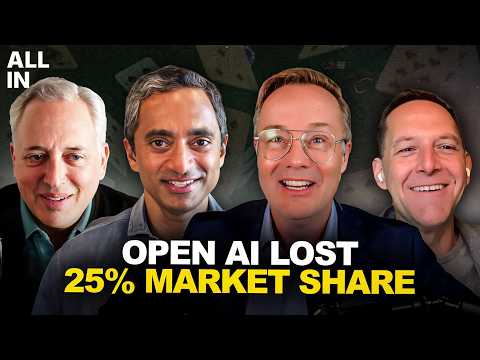
Anthropic's Generational Run, OpenAI Panics, AI Moats, Meta Loses Major Lawsuits
Anthropic is experiencing a generational run with strong momentum in the AI market, positioning itself as a formidable competitor to OpenAI