
E31: Post-vaccination virtue signaling, pandemic lessons, immigration, Caitlyn Jenner for CA & more
TL;DR
- The panel discusses hypocrisy and virtue signaling around mask-wearing post-vaccination, particularly regarding political leaders' public messaging versus private behavior
- Key lessons from the pandemic are examined, including government response effectiveness and public trust in institutions
- Immigration policy is debated, with discussion of how different types of immigration affect economic growth and American workforce dynamics
- The negative impact of free trade on the American middle class is explored, particularly regarding manufacturing and wage stagnation
- Caitlyn Jenner's California gubernatorial campaign is discussed in context of rising crime and homelessness as critical state issues
- Major technology company earnings and market performance are reviewed and analyzed
Episode Recap
In this panel discussion episode, the All-In Podcast hosts dive into several major contemporary issues affecting American politics and society. The conversation opens with commentary on the hypocrisy surrounding mask-wearing and vaccine virtue signaling, particularly criticizing politicians and public figures who publicly advocate for continued precautions while privately abandoning these measures once vaccinated. The hosts reference President Biden's recent address and examine the gap between public messaging and private behavior among elites.
The discussion then shifts to broader pandemic lessons, exploring what went right and wrong in government responses across different regions and countries. The panel reflects on how the pandemic exposed weaknesses in institutional trust and public health communication, with particular attention to lockdown policies and their economic and psychological consequences.
Moving into policy territory, the hosts engage in a nuanced debate about immigration. Rather than treating immigration as a monolithic issue, they distinguish between different types of immigration and their respective economic impacts. The conversation explores how immigration policy affects labor market dynamics, entrepreneurship, and American competitiveness, with discussion of how certain types of immigrants demonstrate strong work ethic and self-selection as high performers.
A significant portion of the episode addresses economic policy and trade. The hosts examine how free trade policies, while theoretically beneficial for overall economic growth, have disproportionately harmed the American middle class through manufacturing job losses and wage stagnation. This connects to broader concerns about wealth inequality and economic opportunity in different regions of the country.
The panel dedicates substantial time to analyzing Caitlyn Jenner's campaign for California Governor, with David Sacks presenting arguments about crime and homelessness as the defining issues facing the state. The discussion examines Governor Gavin Newsom's record on these issues and whether crime represents a genuine policy vulnerability for the state's leadership.
The episode concludes with analysis of major technology company earnings reports, with the hosts discussing market valuations, growth trajectories, and the financial performance of key players in the tech industry. Throughout the discussion, the hosts bring their respective expertise as venture capitalists and entrepreneurs to bear on these political and economic questions, offering insider perspectives on how policy decisions affect business and innovation.
Key Moments
Notable Quotes
“The gap between what people say publicly and what they do privately reveals the true nature of their convictions about these policies”
“Immigration policy needs to distinguish between different types of migrants and their economic contributions to the country”
“Free trade has created winners and losers in America, with the middle class bearing the costs while elites reap the benefits”
“Crime and homelessness have become defining issues that affect quality of life and economic vitality in major American cities”
“The pandemic exposed critical weaknesses in government institutions and public trust that will take years to rebuild”
Products Mentioned
Related Episodes

Democrats Will SWEEP the Midterms if Trump Doesn't Do THIS

AI Is Killing Brands (And Most Companies Have No Idea)
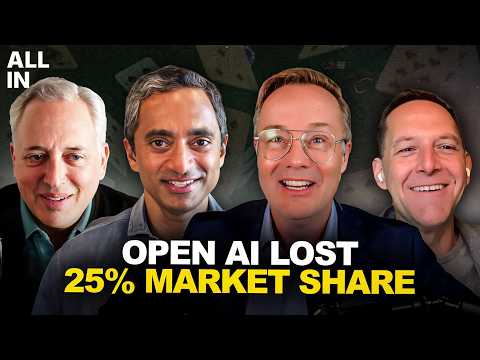
Anthropic's Generational Run, OpenAI Panics, AI Moats, Meta Loses Major Lawsuits
Anthropic is experiencing a generational run with strong momentum in the AI market, positioning itself as a formidable competitor to OpenAI