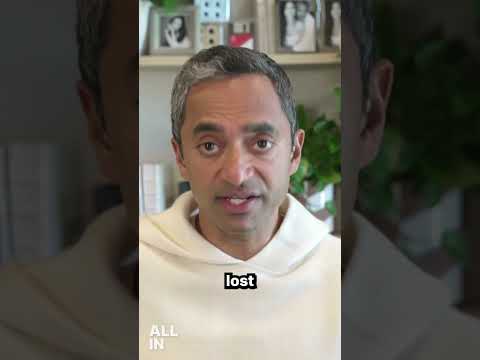
Chamath: Anthropic's Warning Is Pure Theater
TL;DR
- Chamath criticizes Anthropic's public warnings about AI risks as performative theater rather than genuine concern
- The discussion explores whether AI safety messaging from major labs is authentic or designed for regulatory and PR purposes
- Chamath argues that truly concerned companies would take different actions than what Anthropic is currently doing
- The episode examines the tension between competitive business incentives and genuine safety advocacy in the AI industry
- Chamath questions the credibility of AI safety warnings when companies continue to scale and deploy systems aggressively
- The conversation touches on how public statements about AI risks shape regulation and investor perception
Key Moments
0:00
Chamath's opening take on Anthropic's safety messaging
8:30
The disconnect between stated safety concerns and actual company behavior
18:00
How AI safety warnings serve regulatory and PR purposes
32:15
What authentic safety commitment would require companies to do differently
45:00
Broader implications for how the industry should be evaluated and trusted
Episode Recap
In this solo episode, Chamath Palihapitiya takes aim at Anthropic's public positioning on AI safety and risk warnings, arguing that the company's messaging amounts to pure theater rather than substantive action. Chamath contends that when you examine what Anthropic actually does versus what it says, there are fundamental inconsistencies that suggest the safety warnings are primarily a PR and regulatory strategy rather than deeply held convictions.
The core argument centers on the idea that if a company truly believed the risks it publicly articulated, its behavior would be materially different. Chamath points out that despite Anthropic's prominent warnings about AI dangers, the company continues to train increasingly large models, race to deploy new capabilities, and compete aggressively in the market like any other AI lab. These actions, he suggests, directly contradict the notion that leadership genuinely believes their own cautionary rhetoric.
Chamath explores how this performative safety messaging serves multiple business interests simultaneously. Public warnings about AI risks can influence regulatory development in favorable ways, create positive PR through positioning the company as thoughtful and responsible, and generate hype around the importance and power of the technology. Meanwhile, the company's actual deployment and scaling decisions suggest that commercial imperatives take priority over stated safety concerns.
The episode examines this dynamic within the broader context of the AI industry, where multiple labs make similar public statements about risks while simultaneously competing to build larger models and capture market share. Chamath questions whether any of this messaging should be taken at face value or whether it represents a coordinated approach to managing perception and regulation.
Chamath also discusses what authentic safety commitment would actually look like. He suggests it would involve meaningful constraints on scaling, genuine transparency about limitations and risks, significant investment in safety research relative to capabilities research, and willingness to sacrifice competitive advantage for safety measures. The absence of these commitments, in his view, reveals that safety warnings are largely instrumental.
The conversation touches on how these statements affect different constituencies including regulators, investors, and the public. For regulators, safety warnings from companies can be used to justify light-touch or company-friendly regulation. For investors, they position the space as important and heavily regulated, potentially creating moats. For the public, they create an impression of responsible stewardship that may not match actual decision-making.
Chamath's central thesis is that credibility requires alignment between public statements and actual behavior. When companies say one thing while doing another, the words lose meaning. He argues that observers should focus less on what AI companies say about safety and more on what they actually choose to do when it conflicts with commercial objectives.
Notable Quotes
“If you really believed what you were saying about the risks, your actions would be completely different”
“This is pure theater, it's a regulatory play and a PR play”
“Watch what they do, not what they say, especially when those two things conflict”
“Real safety commitment would mean sacrificing competitive advantage, and nobody is doing that”
“The credibility gap between their warnings and their behavior is the real story here”